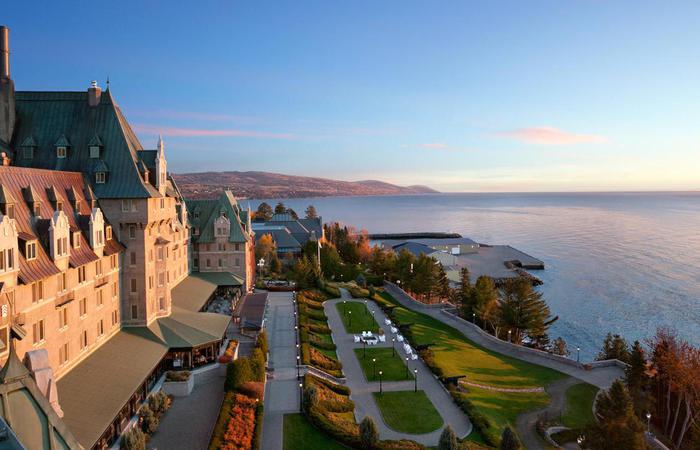
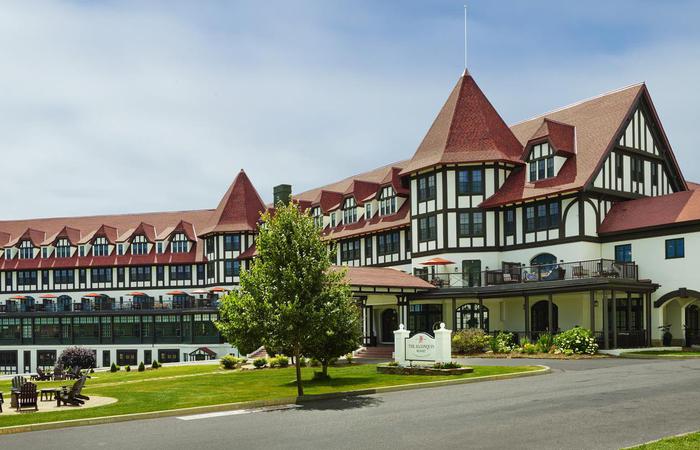
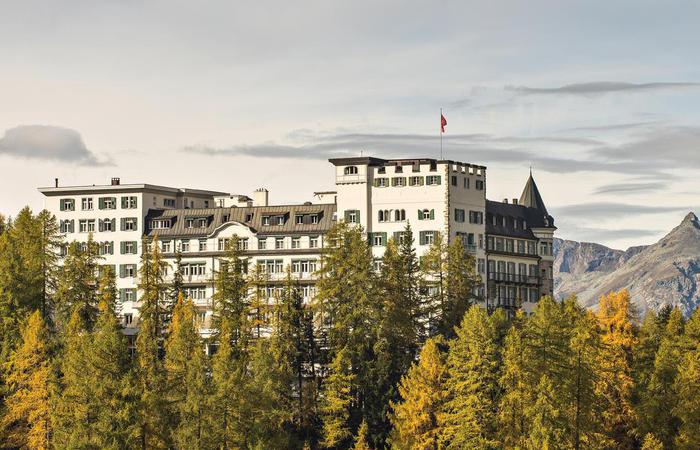
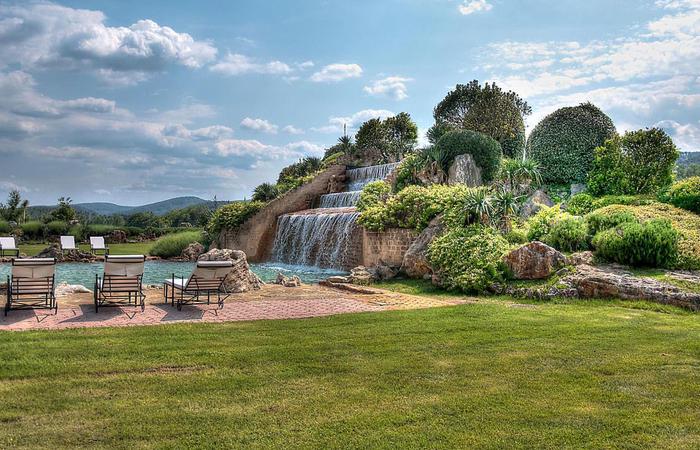

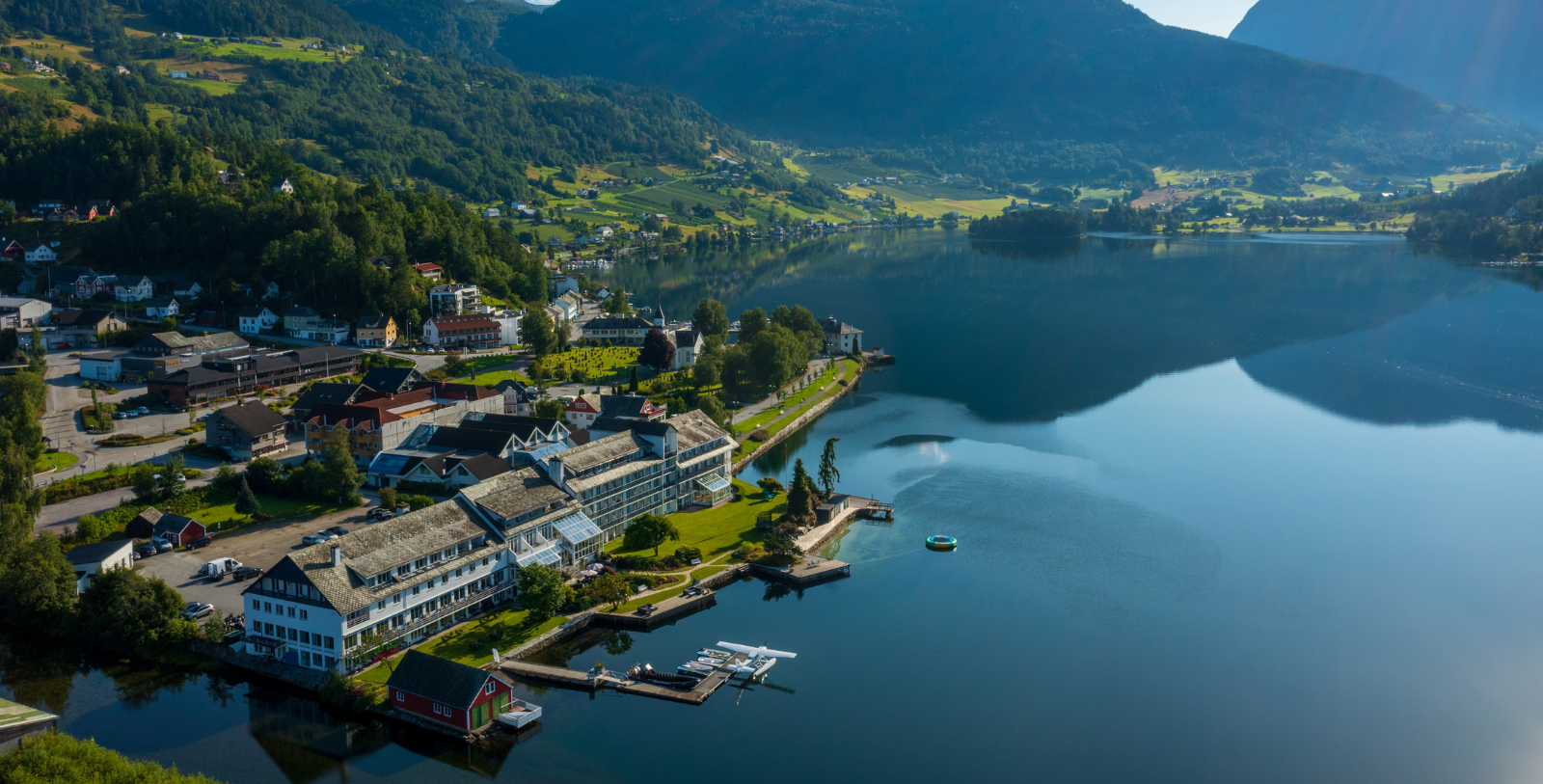
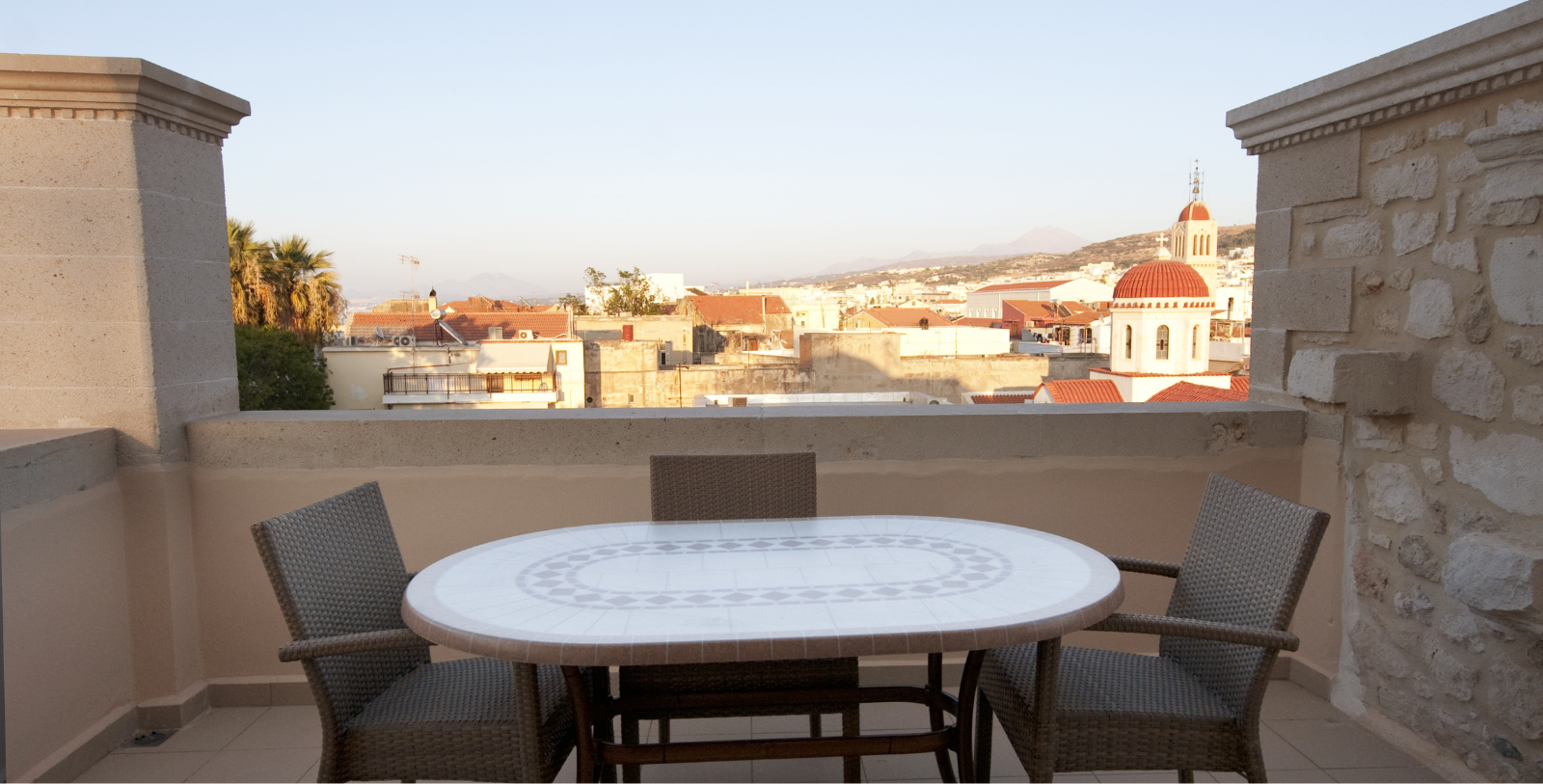
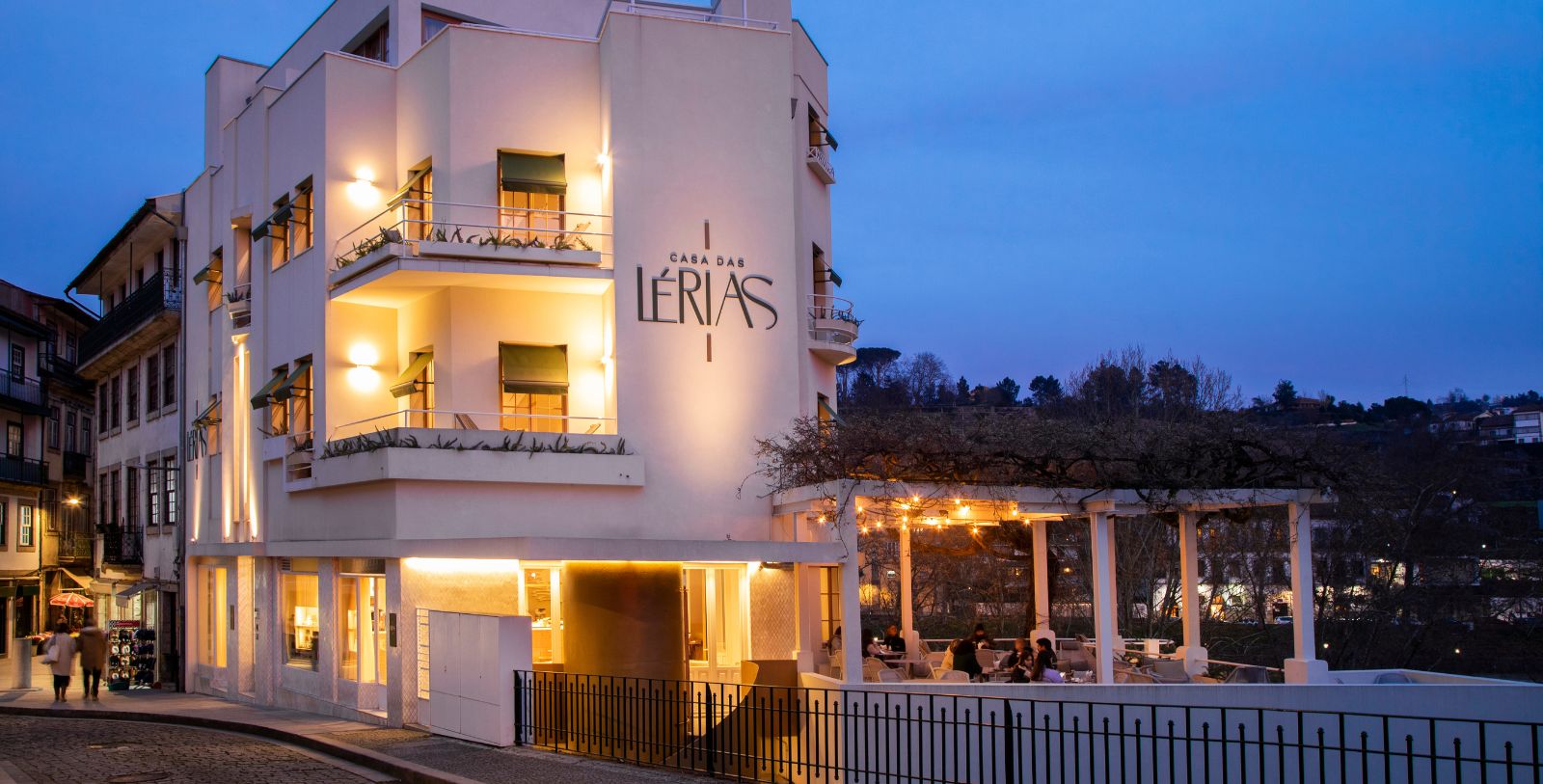
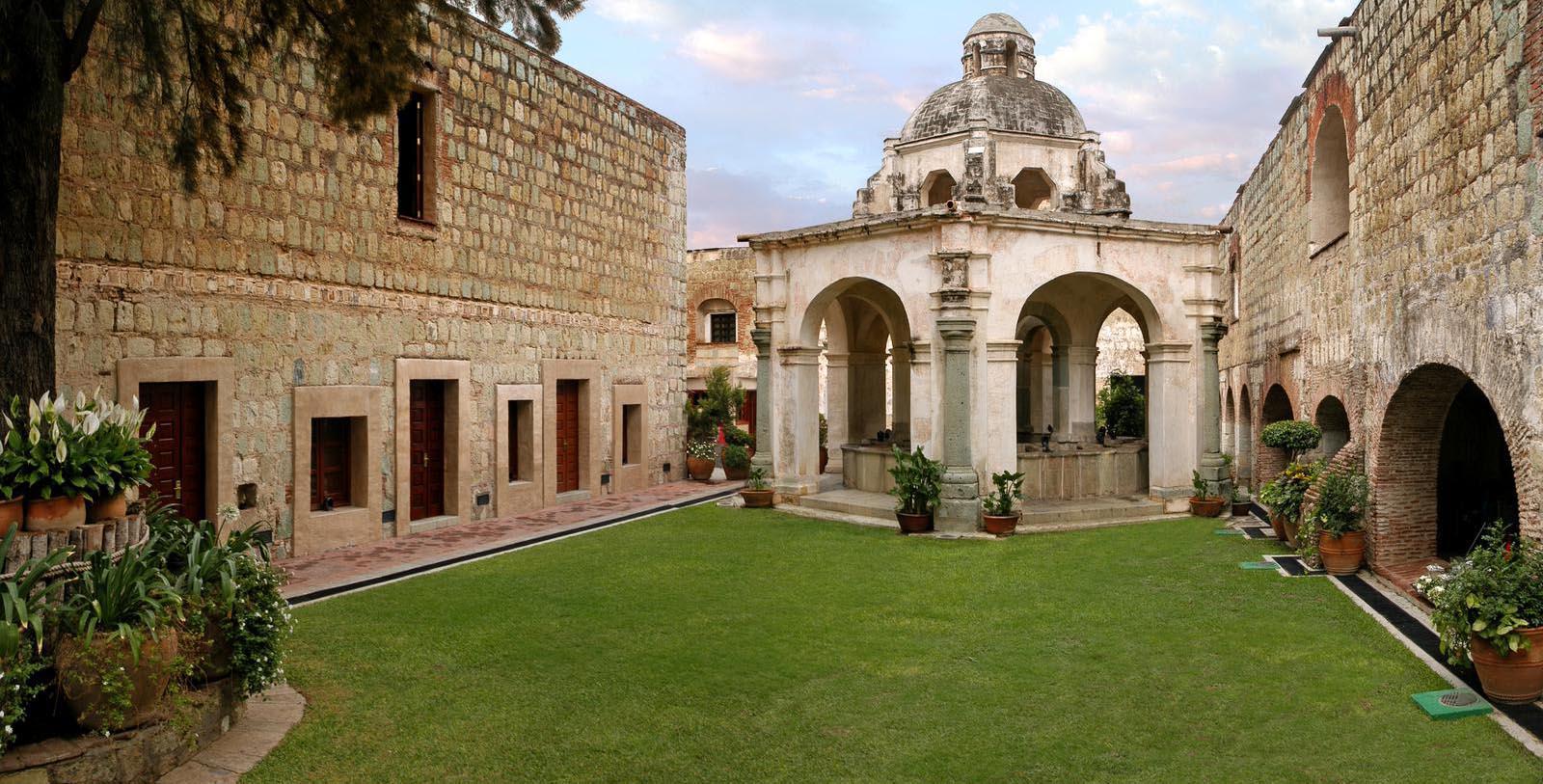

Distinguished members of Historic Hotels Worldwide feature a broad range of modern tennis facilities for every skill level.
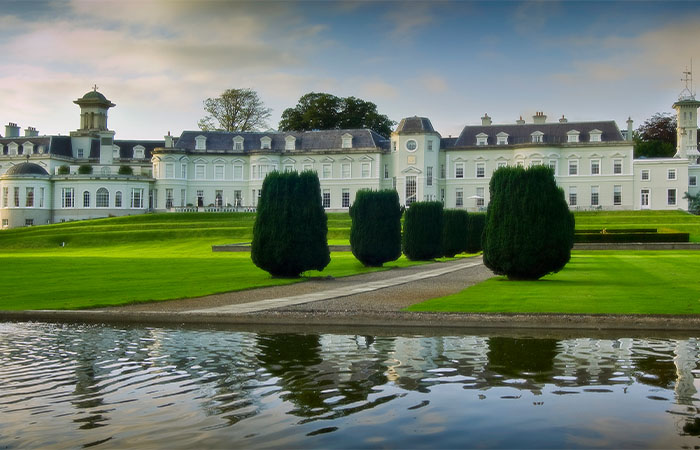
Dromoland Castle Hotel was described in 1837 as “a superb edifice in the castellated style…surrounded by an extensive and richly wooded demesne.” Another admirer described it in 1855 as “built entirely of dark blue limestone, and in fine chiseled workmanship.” The cost of cutting and hauling its stone, although quarried on the estate itself, was enormous.
A stunning mile-long avenue crossing the River Unshin and winding through ancient woods and deer pastures leads to the enormous front door of Coopershill House, an 18th-century luxury countryside hotel on a 500-acre private estate in the heart of County Sligo, Ireland.
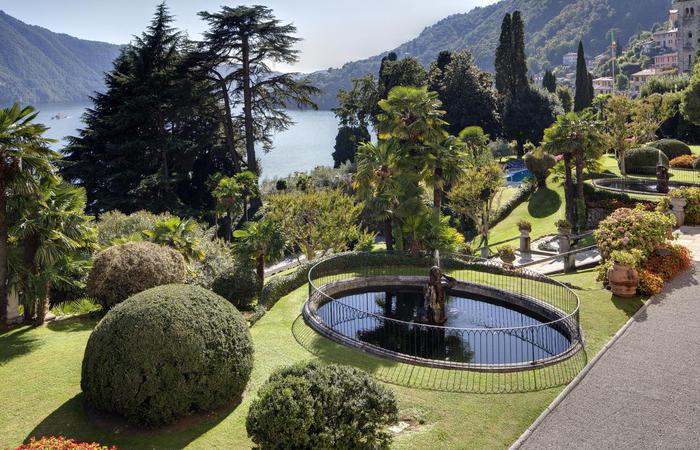
Immersed in the beauty of Lake Como offering a spectacular view of the glorious ancient town of Bellagio, and the surrounding Alps, the century old Grand Hotel Tremezzo is a treasured example of the finest authentic Italian-liberty Art Nouveau palaces. With period furnishings, intricate in detail, and unparalleled views, Grand Hotel Tremezzo envelopes the decadent ambiance throughout the walls and invites a sensation of harmony and tranquility.
Originally built in 1903 as the personal residence and hunting lodge of Baron Jan Jacob Luden, Landgoed Jachtslot de Mookerheide is a luxury historic hotel surrounded by a thick green forest reminiscent of a classic romantic fairytale setting. Constructed in an Art Nouveau architectural style, the castle has been carefully restored to feature original fixings of the structure and beautifully detailed interior.
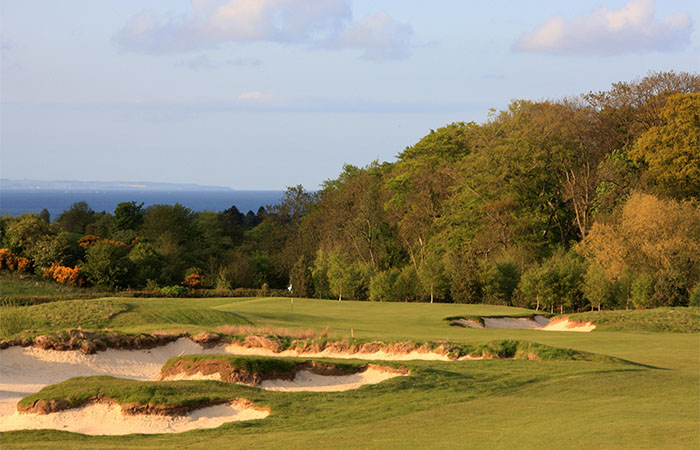
Offering the serenity and refreshing escape of the countryside, Losby Gods Hotel dates back 300 years to the lucrative timber trade. A large estate comprised of three factories, Losby Gods is a beautiful mid-19th century property featuring its own golf facility with two courses, a driving range, and tennis courts.
A history rich in entertaining and generous hospitality, Hotell Refsnes Gods has earned its reputation as a choice destination to experience tranquil luxury on the Jeloy island in Moss, Norway, just an hour outside of Oslo. Originally a lavish private residence, Hotell Refsnes Gods was frequented by luminaries and dignitaries that have left their mark on the property, including artists Edvard Munch who inspired The Munch Restaurant and King Oscar II who is celebrated by the historic King Hall.
Built in 1845, in the heart of a park on the Oslo fjord coastline, Engo Gard has been an idyllic country inn since the twenties. Originally known as Pihls Pensjonat, the modest guesthouse was slowly expanded and restored to great the luxury historic hotel it stands today. Engo Gard has converted its property to house 44 guestrooms, a renown restaurant with private wine cellar, and other exciting facilities.
Tennis
Your search returned 7 results.


